Gardeners in Palmers Green N13 Guide for Green Lanes Homes
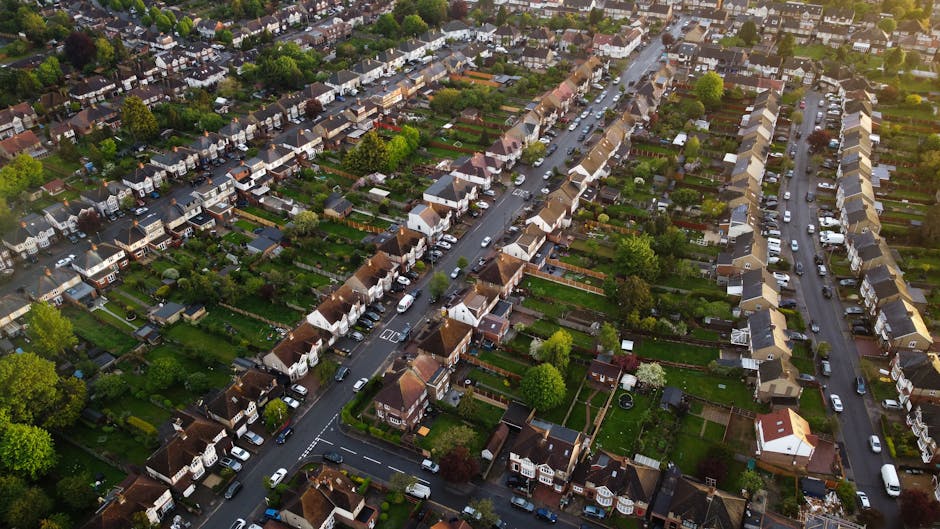
If you live on or near Green Lanes, you'll know gardens in Palmers Green can be a bit of a mixed bag. Some are narrow and shaded by mature trees, some get the full afternoon sun, and others are small front spaces that need to look tidy without becoming high-maintenance. That's exactly why this Gardeners in Palmers Green N13 Guide for Green Lanes Homes matters: it helps you understand what good local gardening actually looks like, how the process works, and how to choose practical help that suits real homes, not some idealised magazine plot.
Whether you want regular maintenance, a seasonal tidy-up, help reviving an overgrown border, or a complete rethink of your outdoor space, the right approach can save time and avoid costly mistakes. To be fair, most people don't need a "perfect" garden. They need one that works, looks cared for, and doesn't become a weekend battle. This guide walks through the essentials in plain English, with local context and sensible next steps.
Table of Contents
- Why Gardeners in Palmers Green N13 Guide for Green Lanes Homes Matters
- How Gardeners in Palmers Green N13 Guide for Green Lanes Homes Works
- Key Benefits and Practical Advantages
- Who This Is For and When It Makes Sense
- Step-by-Step Guidance
- Expert Tips for Better Results
- Common Mistakes to Avoid
- Tools, Resources and Recommendations
- Law, Compliance, Standards, or Best Practice
- Options, Methods, or Comparison Table
- Case Study or Real-World Example
- Practical Checklist
- Conclusion
- Frequently Asked Questions
Why Gardeners in Palmers Green N13 Guide for Green Lanes Homes Matters
Green Lanes is a busy stretch, and homes nearby often face the same garden challenges again and again: limited time, awkward access, compact plots, patchy lawns, and borders that turn into a tangle after one wet month and a forgotten summer. A local gardener isn't just someone who cuts grass. In practice, they help you keep the garden usable, safe, and presentable across the seasons.
That matters more than people think. A well-kept garden can make a house feel calmer as soon as you step outside. You notice it on a damp February morning when the paths are clear and the beds look under control, not wild. You notice it in July too, when the shrubs are trimmed back and there's room to sit with a cup of tea without staring at a sea of weeds. Small things, but they add up.
For Green Lanes homes in Palmers Green N13, local knowledge also helps because not every garden has the same conditions. Some are sheltered by fences and extensions. Others are exposed to wind from open side returns. Some get heavy foot traffic from family life, pets, or regular entertaining. Good gardening work needs to respond to all that, not just apply a generic tidy-up.
If you're trying to decide whether professional help is worth it, think of the job in simple terms: are you maintaining a garden, rescuing one, or reshaping one? The answer changes the approach, the time involved, and the outcome.
How Gardeners in Palmers Green N13 Guide for Green Lanes Homes Works
At its simplest, the process starts with understanding the space and what you want it to do. A front garden that needs to stay neat for kerb appeal has very different needs from a back garden used for children, pets, and weekend barbecues. A good gardener will usually begin with a brief assessment: what's growing, what's damaged, what's seasonal, and what can be improved quickly versus what needs a longer plan.
From there, the work often falls into a few familiar stages:
- Assessment: checking the condition of the lawn, borders, hedges, soil, drainage, and access.
- Prioritising: deciding what needs immediate attention and what can wait.
- Clearing and tidying: removing weeds, cutting back overgrowth, edging, and collecting waste.
- Maintenance or restoration: mowing, pruning, planting, mulching, feeding, or repairing problem areas.
- Ongoing care: agreeing a schedule so the garden doesn't slide back again a fortnight later. Happens all the time, frankly.
This is where a local service can feel very different from a one-off hire. If you need consistent upkeep, a gardener who understands North London conditions can anticipate the usual setbacks: damp patches after rain, fast regrowth in mild weather, or borders that suddenly look messy after a burst of growth. If you want to compare service styles, it can help to look at broader local service information such as our gardening services and the practical details behind lawn mowing and hedge trimming.
Not every job needs the same level of planning, of course. A simple tidy may take one visit. A neglected garden could need phased work over several sessions. Truth be told, that's often the smarter route, because rushing through a badly overgrown space can create more mess than progress.
Key Benefits and Practical Advantages
The main benefit is obvious: a garden that looks cared for. But there's a lot more going on beneath the surface.
- Better use of space: Even a small Palmers Green garden can feel bigger when it's properly edged, pruned, and organised.
- Reduced maintenance stress: Regular visits prevent the all-or-nothing cycle that leaves people dreading the next tidy-up.
- Healthier planting: Proper pruning, feeding, and seasonal care support stronger growth and fewer avoidable failures.
- Improved safety: Clear paths, controlled growth, and sensible waste removal reduce trip hazards and blocked access.
- Better kerb appeal: Front gardens matter, especially on visible streets and busy routes like Green Lanes.
- More reliable seasonal planning: Spring and autumn jobs are easier when they're handled before the garden gets out of hand.
There's also a quieter benefit people sometimes overlook: confidence. When a garden feels manageable, you use it more. You water things on time. You notice a plant struggling before it dies. You sit outside more often. That sounds small, but it changes the feel of a home.
Expert summary: For homes in Palmers Green N13, the best gardening support is usually the kind that solves immediate problems while setting the garden up for easier maintenance later. Quick fixes help, but structure is what saves time.
If you're already thinking about a broader outdoor refresh, it may also be useful to look at garden clearance for heavily overgrown spaces and tree pruning where larger planting is affecting light, space, or safety.
Who This Is For and When It Makes Sense
This guide is useful for a wide range of homeowners and property managers in the Green Lanes and Palmers Green area. You may need help if any of these sound familiar:
- You've got a front or back garden that looks untidy faster than you can keep up with it.
- You've recently moved into a property and the garden needs a reset.
- You want a reliable maintenance routine rather than last-minute panic jobs.
- You've got hedges, shrubs, or borders that are getting out of hand.
- You need your outside space to look good for guests, tenants, buyers, or family use.
- You simply do not want to spend every Saturday wrestling with weeds. Fair enough, really.
It also makes sense for people with limited time, limited tools, or limited mobility. Not everyone wants to lift heavy waste bags, edge beds, or spend an afternoon figuring out what's a weed and what's not. And let's face it, some people enjoy gardening in theory more than in practice.
For landlords and managing agents, the priorities can be slightly different. Presentation, safety, and regularity usually matter most. For families, durability matters. For older residents, low-maintenance planting and easy access can make all the difference. The best gardener will adjust the work accordingly, not just apply the same template to every property.
Step-by-Step Guidance
If you're planning gardening support for a Green Lanes home, here's a sensible way to approach it.
- Walk the garden slowly. Look at what is actually causing the problem. Is it weeds, overgrowth, poor drainage, thin lawn, dead planting, or just lack of routine?
- Decide the outcome you want. Do you want neat and low-maintenance, or are you aiming for something more decorative? That decision affects everything.
- Separate urgent work from longer-term work. Clearing access, making paths usable, and removing dead material usually come first.
- Set a realistic schedule. A neglected garden may need staged work. One visit can improve it, but a proper finish often needs follow-up.
- Choose tasks that support each other. For example, pruning before feeding, or clearing before planting. Sequence matters more than people think.
- Review the result in daylight. In the early evening it can all look lovely; in bright morning light, gaps and rough edges tell the truth. A bit brutal, but useful.
One helpful approach is to think in zones. Front, back, side return, pots, lawn, borders, and boundaries each need slightly different care. That breaks the work into manageable chunks and helps avoid the "do everything at once" trap, which is how people end up exhausted and halfway through a pile of green waste.
If you want ongoing help, a maintenance plan can be easier than ad hoc visits. If you want one-off improvement, make sure the gardener knows the property's access points, parking constraints, and any delicate planting you want preserved. Those little details matter, especially on busy residential streets.
Expert Tips for Better Results
Here's the sort of practical advice that tends to make a real difference on Palmers Green jobs.
- Start with structure. Clear edges, defined beds, and visible paths make everything else look better fast.
- Don't prune blindly. Different plants respond differently. A heavy cut in the wrong season can set things back.
- Keep lawn care consistent. Regular mowing, edging, and feeding usually produce better results than sporadic "hero" jobs.
- Use mulch where possible. It helps suppress weeds and retain moisture, which is handy during dry spells.
- Choose plants that suit the site. If an area is shady and damp, don't keep fighting with sun-loving plants that never quite settle.
- Think about access and storage. If tools, bins, and hoses are in the way, the garden feels harder to use than it needs to.
A small local observation: many London gardens look far better once the hard edges are sorted. A crisp border, a proper cut line on the lawn, and a hedge taken back to a sensible shape can transform a space before any planting changes happen. It's a bit like cleaning glasses you didn't realise were dirty.
And if your garden tends to become a jungle by late summer, don't wait for it to get embarrassing. That's usually the point where the job becomes more expensive, more tiring, and less satisfying. A little early intervention goes a long way.
Common Mistakes to Avoid
Most garden problems in this area are not dramatic. They're the result of a few repeated mistakes that build up quietly over time.
- Leaving maintenance too long: Once weeds seed and shrubs sprawl, you're no longer tidying. You're recovering.
- Cutting too much at once: Heavy pruning without checking plant type or timing can weaken growth.
- Ignoring drainage or shade issues: If a patch never improves, there's usually a reason beyond "bad luck".
- Buying plants without a plan: Lovely in the garden centre, disappointing six weeks later. Happens all the time.
- Skipping follow-up care: A tidy garden stays tidy only if someone keeps nudging it in the right direction.
- Using the wrong tool for the job: A blunt hedge trimmer or poor mower settings can leave the whole place looking rough.
Another mistake is trying to make every part of the garden "interesting." Sometimes a simple, robust layout is the smarter choice. Especially on a busy street, simplicity can look cleaner and age better. No shame in that at all.
Tools, Resources and Recommendations
Good gardeners bring more than muscle. The right tools and planning habits make the job cleaner, safer, and more efficient.
| Tool or Resource | What It Helps With | Why It Matters |
|---|---|---|
| Hedge trimmer | Shaping hedges and larger shrubs | Keeps boundaries neat and reduces overgrowth |
| Powered mower or cylinder mower | Lawn maintenance | Produces a consistent cut and improves presentation |
| Secateurs and loppers | Selective pruning | Useful for detailed cuts without damaging plants |
| Wheelbarrow and waste bags | Green waste handling | Makes clearance faster and less messy |
| Mulch and compost | Soil improvement and weed suppression | Supports healthier beds and reduces labour over time |
For homeowners, a few simple resources can also help you make better decisions: a basic seasonal garden calendar, notes on sun and shade in your plot, and a short list of plants that are already thriving. You don't need a giant binder. Just enough to avoid repeating the same mistakes every spring.
If you're exploring services in a more organised way, pages like seasonal garden tidy-ups and planting and border work can help you compare what level of support is right for your property.
Law, Compliance, Standards, or Best Practice
For most domestic gardening jobs in Palmers Green N13, the main concern is less about formal compliance and more about sensible best practice. That said, there are a few points worth keeping in mind.
- Waste removal: Garden waste should be handled responsibly. If a contractor removes waste, it's reasonable to ask how it will be disposed of.
- Neighbour consideration: Trimming, noise, access, and boundary work should be managed with basic courtesy, especially on tight residential streets.
- Plant protection: Good practice means avoiding unnecessary damage to healthy plants, trees, and soil structure.
- Safety: Tools, ladders, and powered equipment should be used carefully. Wet paths and uneven ground are common hazards after rain.
- Property boundaries: If work affects shared fences, overhanging branches, or boundary lines, it's best to confirm responsibility before cutting.
If the garden includes larger trees, extensive clearance, or access issues near structures, a cautious approach is always wise. Some jobs are straightforward. Others, not so much. And if there's any uncertainty around ownership or shared boundaries, it's better to pause and clarify than to tidy first and ask questions later.
For more involved work, it can help to review related service pages such as stump removal and green waste removal, especially if you're planning a larger reset.
Options, Methods, or Comparison Table
Different homes need different levels of gardening support. A quick comparison helps make that clearer.
| Option | Best For | Pros | Trade-Offs |
|---|---|---|---|
| One-off tidy-up | Overgrown gardens, pre-sale prep, seasonal reset | Fast improvement, flexible, good for urgent jobs | Needs follow-up if the garden has ongoing issues |
| Regular maintenance | Busy households, front gardens, properties needing consistency | Predictable, easier to budget, prevents build-up | Requires a routine and some planning |
| Garden restoration | Neglected plots, inherited gardens, major changes | Creates a fresh start and improves function | Usually takes longer and may need phased work |
| Seasonal care | Homes that want good condition through spring, summer, autumn | Targeted, practical, cost-effective | Best when paired with basic maintenance between visits |
In many cases, the best option is a combination. For example, a one-off clear-up followed by monthly maintenance. Simple, but effective. It stops you slipping back into the same mess six weeks later, which is a very London-garden kind of problem.
Case Study or Real-World Example
Imagine a typical Palmers Green property near Green Lanes: a compact rear garden, a narrow path along one side, a lawn that's become patchy, and borders full of self-seeded growth. The owner wants it presentable for summer but doesn't want a full redesign.
The first step is usually clearance. Remove dead material, cut back the overgrowth, and open up the path. Then the gardener can assess the lawn properly. In many cases, the lawn is not "bad" so much as neglected, shaded, or compacted. That changes the advice. Instead of overpromising a miracle, the better plan might be to improve the edges, rework the borders, feed the soil, and set up a regular mowing pattern.
What often surprises people is how much better the garden feels once the frame is sorted. A tidy boundary, a workable path, and one or two healthy focal plants can make the whole space feel calmer. I've seen this with front gardens too: one afternoon of sensible pruning and edging, and suddenly the house feels more welcoming from the pavement.
The key lesson? Don't start by asking, "How do we make it fancy?" Start by asking, "What will make it usable and easy to maintain?" Fancy can come later, if you still want it.
Practical Checklist
Use this checklist before booking work or planning your own garden jobs.
- Identify the main issue: weeds, lawn, hedges, borders, access, or general neglect.
- Decide whether you need a one-off job or recurring maintenance.
- Check whether any plants, trees, or boundary features need special care.
- Make sure waste removal is included or clearly arranged.
- Confirm access, parking, and any gates, side passages, or locked areas.
- Think about the end goal: tidy, low-maintenance, family-friendly, or more decorative.
- Ask what happens after the first visit if the garden needs phased improvement.
- Keep a note of plants you want preserved or particular areas you want left alone.
- Plan for seasonal follow-up, especially in spring and autumn.
- Review the garden in daylight after the work is done. It catches the little things.
If you want a broader overview of service availability, our Palmers Green N13 area page is a useful place to start, especially if you're comparing local options.
Conclusion
Gardens in Palmers Green and around Green Lanes tend to do best when they're treated as living, changing spaces rather than one-off projects. That's really the heart of this guide. Good gardening is not just about making things neat today; it's about creating a space that stays manageable, usable, and pleasant to look at next week, next month, and next season.
Whether you need a quick tidy, proper maintenance, or a more involved reset, the smartest approach is usually the one that fits the property, the season, and your actual routine. Not the ideal routine. The real one. The one that has school runs, work calls, rain, and forgotten bins in it. That's life.
If you're ready to improve your outdoor space, start with the job in front of you, not the perfect garden in your head. A bit of structure, a bit of consistency, and the right local support can go a long way. And once it's under control, it really does feel better. Quietly better. The kind of better you notice every time you step outside.
Get a free quote today and see how much you can save.
Frequently Asked Questions
What do gardeners in Palmers Green N13 usually help with?
They commonly handle lawn care, hedge trimming, border tidying, weeding, planting, seasonal clearance, and general maintenance. Some also support larger garden makeovers or problem areas that need staged work.
How often should a garden near Green Lanes be maintained?
That depends on the size of the garden and how quickly it grows back. Many homes benefit from regular visits during the growing season, while smaller or lower-maintenance gardens may only need occasional care.
Is a one-off garden tidy-up worth it?
Yes, especially if the garden has become overgrown or you want a fresh start. A single tidy-up can make a huge difference, though some gardens will still need follow-up maintenance to stay in good shape.
What should I ask before booking a gardener?
Ask what work is included, whether waste removal is covered, how long the job is likely to take, and whether they can handle ongoing maintenance if needed. It also helps to mention access, parking, and any fragile planting.
Can a gardener help with a small front garden in Palmers Green?
Absolutely. Small front gardens often need careful edging, pruning, weeding, and regular upkeep so they stay neat without becoming time-consuming. In some cases, a simple planting plan makes them easier to manage too.
What is the difference between garden maintenance and garden clearance?
Maintenance keeps a garden in good condition through routine tasks. Clearance is more about removing heavy overgrowth, dead material, and waste so the space can be brought back under control.
Do I need regular gardening if my garden is low maintenance?
Usually yes, even if only lightly. Low-maintenance spaces still need occasional mowing, pruning, weeding, and checking for seasonal issues. Otherwise, "low maintenance" slowly turns into "no maintenance," which is a different thing entirely.
How do I know if my lawn needs professional help?
If the lawn is patchy, compacted, full of weeds, or difficult to keep even with regular cutting, professional help may be useful. A gardener can assess whether it needs feeding, aeration, repair, or simply a better routine.
Are there any special considerations for gardens on busy residential streets?
Yes. Access, parking, neighbour awareness, noise, and waste handling can all matter more on busy streets. Good planning makes the work smoother and avoids unnecessary disruption.
What's the best time of year for garden improvement work?
It depends on the job. Spring is often a good time for planting and recovery work, while autumn is useful for clearing, cutting back, and preparing for the colder months. Some maintenance can be done year-round, weather permitting.
Can gardeners help make a garden easier to maintain long term?
Yes. A good gardener should do more than tidy; they should also suggest practical changes that reduce future effort, such as better planting choices, clearer edges, and manageable maintenance routines.
How do I choose between different gardening services?
Start with your main problem. If it's messy and overgrown, look at clearance. If the garden is already manageable, maintenance may be enough. If you want change, consider planting, restructuring, or a phased refresh. The right choice usually becomes obvious once the garden's real condition is understood.