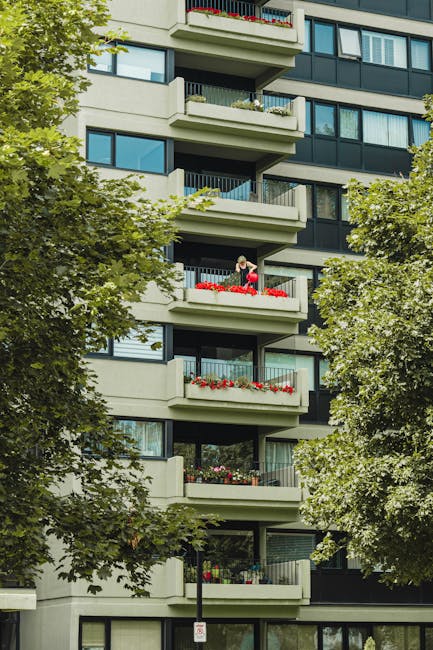
Best gardeners for flats on Green Lanes Palmers Green
If you live in a flat on Green Lanes, Palmers Green, you already know the difference a well-kept outdoor space can make. A tidy balcony, a shared courtyard, or even a small strip of planting beside the building can change how a property feels day to day. The tricky part is finding the best gardeners for flats on Green Lanes Palmers Green - people who understand limited access, neighbours, shared responsibility, and the realities of London living.
This guide breaks down what to look for, how the work usually runs, where problems tend to appear, and how to choose a gardening service that is actually suitable for flat living rather than just "garden maintenance" in the abstract. Because, truth be told, a flat garden is not the same as a suburban back garden. Not even close.
Along the way, you will also find practical guidance on costs, safety, timing, and what a sensible service should include. If you want a broader overview of what a professional team can handle, you can also explore the services overview and, when you are ready to discuss your own setup, the contact page.
Table of Contents
- Why it matters for flats on Green Lanes
- How the service works in practice
- Key benefits and practical advantages
- Who needs this and when it makes sense
- Step-by-step guidance
- Expert tips for better results
- Common mistakes to avoid
- Tools, resources and recommendations
- Law, compliance, standards, and best practice
- Options, methods, and comparison table
- Case study or real-world example
- Practical checklist
- Conclusion
- Frequently asked questions
Why Best gardeners for flats on Green Lanes Palmers Green Matters
Flat gardening sounds straightforward until you are the one managing it. Shared entrances need to stay clear, balconies need careful handling, and planted areas often sit right beside windows, access routes, or neighbour boundaries. On a busy stretch like Green Lanes, little details matter. One overgrown planter can make a communal area feel neglected; one well-kept space can make the whole building feel calmer and more cared for.
The best gardeners for flats on Green Lanes Palmers Green are not just good with plants. They are good with logistics. That means they understand how to work around residents, bin stores, parking limits, delivery times, and the simple fact that a flat often has less space to store tools, green waste, or bulky materials. A decent service knows how to be efficient without being disruptive. That part counts for a lot.
There is also a trust element. In a block of flats, you may be dealing with communal areas, leaseholder expectations, managing agents, or neighbours who all have different ideas about what "tidy" looks like. A capable gardener helps reduce friction. They bring consistency. They turn a recurring chore into something that feels under control, which is surprisingly reassuring on a wet Thursday in North London when everything else already feels a bit much.
Expert summary: For flats, the "best" gardener is usually the one who combines plant care with tidy working habits, flexible scheduling, clear communication, and respect for shared spaces.
How Best gardeners for flats on Green Lanes Palmers Green Works
In practice, a flat-focused gardening service usually starts with a quick look at the layout. That can be a balcony, a communal courtyard, raised beds, entrance planting, or small shared garden strips. The point is not to overcomplicate it. The point is to understand what can actually be maintained safely and regularly.
A typical visit may include pruning, deadheading, weeding, mowing where relevant, hedge trimming for boundary plants, sweeping hard surfaces, clearing leaves, watering, seasonal planting, and a general tidy-up. For flats, the emphasis is often on neatness, access, and consistency rather than major landscape changes. If there is a communal area, the schedule may be weekly, fortnightly, or seasonal depending on the growth rate and how much foot traffic the space gets.
The best services also think ahead. For example, if a balcony is prone to drying out in summer, they may recommend a low-maintenance planting plan. If a shared courtyard gets slippery in autumn, they may focus more on leaf clearance and surface safety. That sort of practical judgement is what separates a competent gardener from someone who just turns up with secateurs and hopes for the best.
If you are comparing services, it helps to look at how clearly the business explains its offer. A well-structured services overview should make it easier to see what is covered and what is not. That clarity saves time later, which, let's face it, is always welcome.
Key Benefits and Practical Advantages
Choosing the right gardener for a flat on Green Lanes has benefits that go beyond "it looks nicer". Yes, appearance matters. But there is more going on underneath.
- Better first impressions: Neat communal planting and clean edges make an entrance feel cared for.
- Less neighbour tension: Clear schedules and tidy working help avoid the small disputes that can happen in shared buildings.
- Safer access: Leaf build-up, overgrowth, and clutter around walkways can create avoidable hazards.
- Healthier plants: Regular pruning and watering reduce stress on planters and shrubs.
- Less work for residents: You do not need to chase everyone in the building to keep the space presentable.
- More predictable costs: Ongoing maintenance often works out more manageable than emergency clear-ups.
There is another practical advantage people often miss: a gardener who understands flats can help you choose plants that suit the site rather than fighting against it. That might mean drought-tolerant planting on a sunny balcony, tougher shrubs for a windy aspect, or compact evergreen options that still look good in winter. Good gardening is often just good matching. Simple, but not always simple to do well.
For many residents, a reliable service also brings peace of mind. You know the communal beds will not quietly turn into a tangle. You know someone will notice problems early. And you do not end up having the same conversation three times in the group chat. Small mercy, that.
Who This Is For and When It Makes Sense
This kind of service is ideal for flat owners, tenants, landlords, and managing agents who need outdoor spaces kept in decent shape without constant hands-on attention. It is especially useful if your building has shared planting or any area where "someone will do it later" has turned into three overgrown months and a few frustrated residents.
You will usually benefit from professional help if any of the following sounds familiar:
- the communal front garden or entrance area keeps getting messy
- balcony planters look dry, crowded, or neglected
- there is limited storage for tools and garden waste
- residents want a tidy space but nobody wants to own the job
- plants are overgrowing paths, railings, or windows
- the site needs regular care rather than a one-off fix
It also makes sense if you are preparing a flat for sale or letting. A clean outdoor area can improve presentation without needing a full redesign. And if the property is already occupied, a thoughtful maintenance plan can make everyday life feel less cluttered. To be fair, most people do not dream about gardening admin. They just want the place to look decent and stay that way.
Some residents only need a one-off reset after winter, renovation dust, or a long gap in maintenance. Others need ongoing support through the growing season. Both are valid. The best approach depends on how fast the space changes and how much attention it can realistically receive.
Step-by-Step Guidance
If you are deciding how to hire gardeners for a flat in Palmers Green, it helps to keep the process simple and structured. A bit of planning at the start avoids awkward surprises later. Here is a practical way to handle it.
- Define the space clearly. Is it a balcony, shared courtyard, entrance bed, or a mix of these? A gardener needs to understand exactly what they are maintaining.
- List the pain points. Maybe it is weeds, moss, dead shrubs, poor watering, or just general tidying. Be honest about what bothers you most.
- Decide on frequency. Monthly might be enough for low-growth areas, while faster-growing communal spaces may need more regular visits.
- Ask how waste is handled. In flats, removal and disposal can be a practical issue. You want to know who clears green waste and where it goes.
- Check access details. Entry codes, parking, stair access, lift use, and loading restrictions matter more than people expect.
- Request a clear scope. Make sure the service covers the work you actually need, not just a vague promise of "garden maintenance".
- Agree on communication. A simple update after each visit is often enough. It avoids confusion and keeps everyone aligned.
One useful habit: take photos before the first visit and after the work is done. It sounds almost too basic, but it helps everyone understand what has changed and what still needs attention. Especially in shared spaces, memory gets fuzzy fast.
If you want to keep payments and administration tidy as well, it is worth reviewing the business's payment and security information before you confirm anything. That does not need to be dramatic. It just needs to be sensible.
Expert Tips for Better Results
Flat gardens reward small, steady decisions. You do not need a grand design. You need the right habits.
1. Choose plants that forgive a bit of neglect
Flat residents are busy. That is just life. Go for plants that cope with wind, variable watering, and the occasional missed week. This is especially important for balconies and roof-level spaces where conditions can shift quickly.
2. Keep access routes open
Do not let pots, tools, or bags of compost creep into walkways. In communal settings, a space that is "only a little cluttered" can become an annoyance very quickly.
3. Use seasonal check-ins
Spring and autumn are the obvious times to review planting, pruning, and clean-up needs. Summer can demand more watering. Winter usually needs less growth work but more attention to slick leaves and dead material.
4. Ask for practical recommendations, not just labour
The best gardeners do more than carry out instructions. They notice if a planter is too shallow, if a shrub has outgrown its spot, or if a section is always too shady for the current plants. That kind of observation can save money later.
5. Keep the brief short and clear
For flats, especially in shared buildings, clarity wins. Say what matters. What should look neat? What must not be touched? What is the priority if time runs short? Simple instructions usually get better results than a long wish list.
And one small but important thing: do not wait for the space to look embarrassing before acting. By the time everyone notices, the job is usually harder. Not impossible, just messier.
Common Mistakes to Avoid
People often make the same few mistakes when hiring gardeners for flats. None of them are dramatic on their own, but together they can make the whole thing frustrating.
- Choosing only on price: The cheapest option is not always the best value if the work is rushed or incomplete.
- Being vague about the scope: "Tidy the garden" can mean very different things to different people.
- Ignoring access issues: If the gardener cannot easily reach the space, the appointment becomes inefficient.
- Forgetting waste removal: Green waste left behind becomes someone else's headache.
- Using the wrong plants: Pretty in a catalogue, wrong for a windy flat. Happens all the time.
- Skipping regular maintenance: A flat garden often needs smaller, more frequent care rather than large occasional interventions.
There is also a communication mistake worth calling out. People often assume the gardener will "just know" what is needed because the space looks obvious. It rarely works like that. A shared courtyard may need a different touch than a private terrace, and entrance beds may need a stricter tidy-up style than a resident's balcony planter.
Let's be honest, even the best gardener cannot read minds. A good brief helps everyone.
Tools, Resources and Recommendations
You do not need to be a gardening expert to make better choices. A few basic tools and habits help a lot.
- Simple site notes: A short list of access details, plant concerns, and priority areas.
- Photos: Before-and-after pictures make it easier to track progress and discuss changes.
- Seasonal reminders: A calendar note for spring, summer, and autumn checks can prevent things slipping.
- Flat-safe storage habits: If you keep tools on site, they should be stored securely and out of communal walkways.
- Service documentation: Keep copies of quotes, scope notes, and any agreed maintenance schedule.
If you are still comparing providers, the pages on pricing and quotes and about the company can be useful starting points. They help you understand how the service is positioned and what kind of relationship you can expect.
For people who care about how waste is dealt with, the recycling and sustainability page is also worth a look. In a flat setting, it is reassuring to know green waste is handled responsibly rather than simply dumped into a corner and forgotten.
Law, Compliance, Standards, or Best Practice
For flat gardening, the legal side is usually less about dramatic regulation and more about sensible practice. That said, a professional service should still work carefully and responsibly, especially in shared residential settings.
Here are the main best-practice areas to think about:
- Health and safety: Tools, ladders, slippery surfaces, lifting, and access routes should all be handled with care.
- Insurance: A gardener working around shared property should be covered appropriately for the work they are doing.
- Clear terms: You should understand what is included, how changes are handled, and what happens if a visit needs to be rescheduled.
- Respect for residents: Noise, mess, access interruptions, and waste removal should all be managed considerately.
- Data and privacy: If personal details are collected for booking or billing, those should be handled properly.
If you want to review how a business approaches safety and responsibility, the health and safety policy, insurance and safety information, and terms and conditions are sensible reference points. That may sound a bit dry, but in real life these details protect everyone. No one wants a simple garden visit turning into a misunderstanding.
For administrative transparency, it can also help to check the privacy policy, especially if contact details are being stored for maintenance scheduling. A clear complaints route is also a good sign; it means the business has thought about customer service properly, not just the shiny bits.
Options, Methods, or Comparison Table
Not every flat needs the same kind of gardening help. Some spaces need routine upkeep. Others need a one-time rescue mission. Here is a simple comparison to help you decide.
| Option | Best for | Typical strengths | Watch out for |
|---|---|---|---|
| One-off tidy-up | Overgrown courtyards, seasonal reset, move-in or move-out preparation | Fast improvement, useful when things have got out of hand | Needs follow-up if the space grows quickly |
| Regular maintenance | Communal beds, entrance planting, shared flat gardens | Consistent presentation, fewer build-ups of work | Requires clear scheduling and agreement on scope |
| Seasonal visits | Low-growth spaces or flats with resilient planting | Good value, simple to manage | May be too sparse for fast-growing or high-traffic areas |
| Planting refresh | Balconies or entrances that need a visual lift | Improves appearance and can reduce ongoing maintenance | Needs the right plant selection and proper aftercare |
The right choice usually comes down to how much the space changes and how much responsibility the residents or managing agent want to keep. If you are not sure, start smaller. A modest, reliable maintenance plan is often better than an ambitious setup nobody can keep up with.
Case Study or Real-World Example
Imagine a small block of flats near Green Lanes with a shared front planting area and a narrow side strip that had become a bit chaotic. Nothing dramatic. Just tired shrubs, a few weeds, some leaf build-up, and a look that said, "we'll sort it next weekend," for about three months too long.
The residents did not want a full redesign. They wanted the place to feel looked after. So the first step was a simple walk-through: what needed pruning, what should stay, which plants were worth keeping, and where access was tight. The gardener focused on tidying edges, clearing debris, rebalancing the planting, and removing anything dead or overcrowded. Then a basic maintenance rhythm was agreed for the growing season.
Within a couple of visits, the change was mostly about clarity. The space looked brighter. It was easier to walk through. People stopped stepping around stray branches. No miracle, no drama. Just good maintenance done properly.
That is often what the best gardeners for flats on Green Lanes Palmers Green do best: they turn a slightly annoying shared area into one that quietly works. Not flashy. Just reliable. And in a busy residential setting, reliable is a lovely thing.
Practical Checklist
Use this checklist before you book or review a gardener for your flat.
- Have I defined the exact area that needs work?
- Do I know whether it is a one-off job or ongoing maintenance?
- Have I listed the main issues in order of priority?
- Is access arranged and clearly explained?
- Do I know what happens to green waste?
- Have I asked for the scope in plain English?
- Do I understand how pricing is structured?
- Have I checked the business's safety and insurance information?
- Is the communication style clear and easy to follow?
- Will the service suit a shared residential setting rather than a private house?
If you can tick most of those off, you are already ahead of the game. A lot ahead, actually.
Conclusion
Finding the best gardeners for flats on Green Lanes Palmers Green is really about fit. The right team understands shared spaces, limited access, tidy work habits, and the need for simple, dependable communication. They do not just make things look better for one afternoon. They help a flat feel easier to live in.
Take your time, ask practical questions, and focus on the things that matter in everyday use: safety, reliability, waste removal, and clear scope. If you do that, you are much more likely to choose a service that feels calm, useful, and worth keeping. And that peace of mind? Very underrated.
Get a free quote today and see how much you can save.
When you are ready to move forward, start with a clear conversation and a provider who understands the realities of flat living. Small spaces still deserve proper care, and honestly, they often repay it beautifully.
Frequently Asked Questions
What makes a gardener suitable for flats rather than houses?
A gardener suited to flats understands shared access, limited storage, neighbours, communal responsibility, and the need to keep walkways clear. They should be comfortable working neatly and efficiently in smaller or shared spaces.
How often should flat gardens on Green Lanes be maintained?
It depends on the space. Some flat gardens only need seasonal visits, while busy communal areas may need monthly or even more regular upkeep during the growing season. The faster the plants grow, the more often attention is needed.
Can gardeners work on balconies?
Yes, many can. Balcony work usually focuses on container planting, pruning, watering advice, deadheading, and tidying. The main consideration is safe access and avoiding clutter or heavy materials that are not suitable for the space.
What should I ask before booking a gardener for a flat?
Ask what is included, how waste will be removed, whether they have insurance, how they handle access, and whether they have experience with shared residential spaces. A clear answer is usually a good sign.
Is it better to book one-off gardening or regular maintenance?
If the space gets messy quickly or is shared by several residents, regular maintenance usually works better. If the area just needs a reset after a long gap, a one-off tidy-up may be enough to get things back under control.
Do gardeners remove green waste from flats?
Often, yes, but you should check in advance. Waste handling can be trickier in flats because there may be no easy storage space and disposal arrangements can be more limited than at a house.
How do I know if the quote is fair?
Look at the scope rather than the number alone. A fair quote should explain what is being done, how long it will likely take, and whether waste removal or follow-up visits are included. Transparency matters more than a bargain headline.
What if the building has shared responsibility between residents and the landlord?
That is common, and it just means the brief needs to be clearer. Decide who is responsible for paying, approving work, and signing off the scope before the gardener starts. It keeps everything much smoother.
Should flat gardeners carry insurance?
Yes, it is sensible to use a service that has appropriate insurance for the work they carry out. In shared residential settings, that protection matters because mistakes or accidents can affect more than one person.
Can a gardener help choose plants for a flat courtyard or entrance area?
Absolutely. In many cases, that is one of the most useful things they can do. The best choices are usually plants that suit the light, wind, watering pattern, and maintenance level of the space.
What is the biggest mistake people make with flat gardens?
Waiting too long. Small maintenance issues grow into bigger ones quickly in limited spaces. A little regular care usually saves time, money, and a fair bit of annoyance later on.
How do I get started if I am not sure what my flat needs?
Start with a simple walkthrough of the space and make notes about what looks untidy, unsafe, or hard to maintain. Then speak to a provider who can help define the scope. If you need a clearer picture of available work, review the service options first and then move to contact us when you are ready.